Showing posts with label tombs. Show all posts

06 May 2011

gyeongju with the fam

To get to gyeongju from sokcho, we had to take two buses as there are no direct buses…there are four bus stations in daegu, and to spend as little time on the bus as possible, I knew which one we wanted from sokcho…I thought we’d have to take a taxi across town to the other bus station in sokcho for our departure, but we didn’t, yay…the bus ride to daegu was longer than I thought, but oh well…while on that bus I was watching the tv at the front of the bus (when not dozing) and I realized at one point they were talking about osama bin laden…this was the day obama announced to the world that US military operatives had raided the compound in which bin laden was living, and killed him…needless to say, given the time and money the US has poured into this region of the world, and the fact that the US had been searching for bin laden for a decade, this was big news…from daegu we took another bus to gyeongju, that bus was only an hour…woo hoo…
As usual, the lonely planet map wasn’t so good…that map showed the two bus stations in gyeongju being a little farther apart, so we weren’t entirely sure which way to walk out of the bus station…hana and mom took the initiative and looked around while I “guarded” our bags…we quickly found the information station, collected a couple maps, asked a couple questions, and found a hotel…
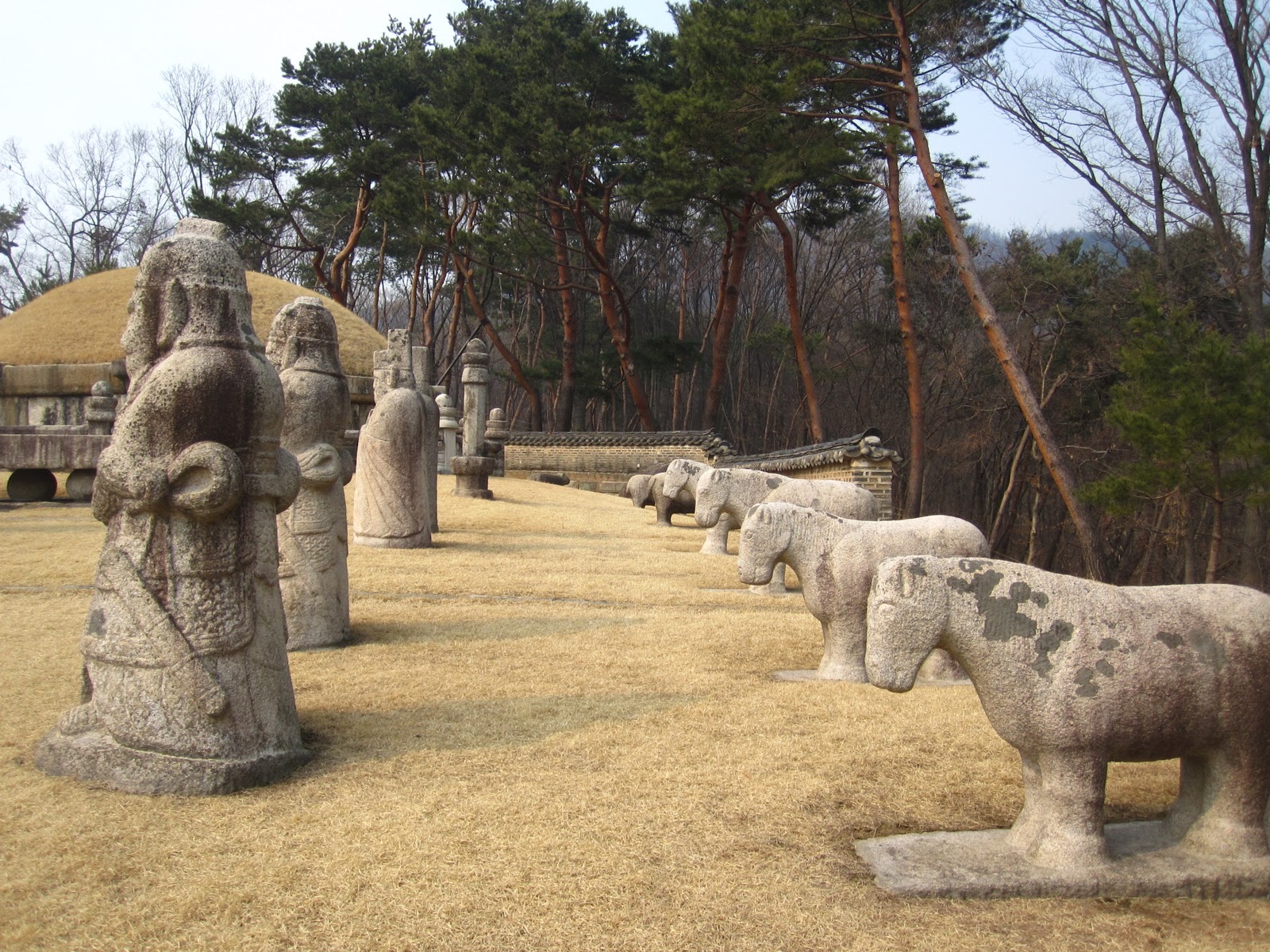
After a quick planning session, we started walking…gyeongju is the second most tourist visited city in korea…it was the capital of the silly dynasty, which ruled the entire peninsula (including what is now north korea, I think) at one point…because it was the capital, there is still a lot of history to be seen in the area…tombs, temples, etc…the city itself doesn’t have much else to offer…our hotel was about three feet away from one of the smaller tumuli parks…tumuli are the tombs of the silla dynasty…think Egyptian pyramids, Korean style…they’re not quite as big as the pyramids, but they are rather large piles of dirt on top of a grave…royalty and other important folks were buried with things it was thought they might need in the afterlife…while walking through this first little area the information lady gave us a little brochure that told us what we were seeing…after crossing the road, we found another park, with more tombs…including one that is open to the public…that is, you can go into the mound of dirt…it has been excavated, and made to look just as it was when the guy was originally buried…there is no body there, but you can see the remnants of what was there…the “coffin” is in a glass case, and you can see all the rocks piled on top to create the huge mound, on top of which is all the dirt…around the edges of the chamber are little windows showing various things that were found in the tomb, including a big crown made of 18K gold…it must’ve been so heavy…a belt and earrings too I think…more gold, they must also have been heavy…I’m quite glad I’m not a royalJ…
More wandering took us through the rest of the park, which is pretty, but not exciting…across the road on the other side, there was yet another park…this is the area in which the oldest observatory in asia is located…hana and I wondered why someone didn’t just climb a tree, or sit on top of a hill…cause this observatory wasn’t big…at all…for some reason, there was an admission charge to walk into the observatory area, even though you could see it just as well from outside that area…since you don’t actually get to go in/up the observatory, we skipped that admission fee…more strolling and amusing picture taking led us into what little remains of a fort…the name starts with a B I think…if you’re not paying attention, you don’t realize you’ve entered the remains…all that remains is some of the walls, which are now covered by dirt and trees…toward one end is the only remaining room…it used to be the ice house…just from looking at it, you can’t tell that’s what it was, but the sign says so…Korea  can be very unpleasant during the summer, so having a place that would keep ice cold would be very useful…and probably a place people liked to hang out, if they could…
From there mom was tired…so we walked back in the general direction from which we had come, in search of food…we found a branch of my bank, and food…success!! I was finally able to transfer the money to pay for our DMZ tour…dinner that night was juk…which is what Koreans call rice porridge…or any porridge, for that matter…I had my favourite, spicy beef and leek…

The next morning we had coffee (I didn’t) then got on the bus to go to bulguksa, an important temple in the area…it’s a designated UNESCO heritage site…the bus ride winds around a bit, so hana suffered, but there wasn’t any other way of getting to the temple…(well, we could’ve taken a taxi, but that might’ve made her feel even worse)…the bus dropped us at the bottom of the parking lot to the temple…from the parking lot we walked uphill a ways to the temple entrance gates…one of the most expensive fees in Korea later, we walked through the gates…past a little man made pond, through another set of gates…in this gate were four bodhisattvas…each of them has a name, which of course I can’t remember…I think they’re basically protectors? If any of the two of you reading this can tell me and explain it in a way I remember, I’ll love you foreva)…a little farther and we finally got to the main temple area…there are two majour staircases, both of which are blocked off to the public in order to preserve them as much as possible…the bigger staircase has 33 stairs, which I believe are supposed to lead you to heaven…something like that…the other staircase has fewer steps, I think it’s something about peace...
We arrived in this area at the same time as a bunch of schoolkids…I’d say late primary school, possibly middle school? There were a lot of them, and they were loud…we explored the entire temple area, particularly enjoying areas before they were invaded by all the schoolkids…
A site close to the temple is called seokuram grotto…there is a bus going between the temple and the grotto, but it only runs every hour or so, so I got hana and mom going back down to the carpark in time to catch the bus…which goes on the twistiest road ever…switchback switchback switchback, all the way up…not a pleasant journey if you are at all prone to motion sickness…the driver did a good job, but it still wasn’t a fun drive…in order to quell the nausea and take a little break, we found a bunch of benches not long after getting off the bus…as we were getting ready to walk to the grotto, we were offered beer and strawberries by a bunch of folks enjoying a social gathering…the strawberries were great, and if I’d spoken any Korean, we might’ve joined their little group for a while…they were super friendly, and ended up giving us a couple cups of strawberries…I love nice people and happy surprises…
After paying another entrance fee we walked toward the grotto…the only time of year I’ve ever been to gyeongju is at this time of year, so it seems perfectly normal to me that the path would be lined by the lanterns for buddha’s birthday…when we got to the grotto area, there were majour preparations underway for the birthday party…lots of lanterns being put up everywhere…the grotto itself is what has been rebuilt of a temple…the original temple was more of a cave, if I recall correctly…now, the big Buddha that was carved out of stone has been covered by glass (no photos L) and a wooden temple built around it…there are signs telling you not to touch the glass, so there are no fingerprints or smudges blocking your view of the Buddha…it’s nifty…we went from there into one of the other temple buildings, the gift shop…I don’t know how it came up, but we decided to buy bracelets to remind us of each other and this trip…hana and I got matching bracelets, mom got another…hana and I got postcards as well…I think we were all pretty happy with our purchases…while walking back to the carpark/bus area, we passed all the schoolkids going toward the grotto…as it’s a smaller area, I’m glad we weren’t sharing the area with them…on the way back to waiting for the bus, all three of us rang the bell…it’s a big bell, and you get to swing a huge wooden thing to make the sound…you have to swing the wood pretty hard, mom missed the first time she tried…hee hee…
Another twisty bus ride brought us back from the temple…even though it’s rather touristy, we ate in one of the restaurants across the road from the carpark…some of the ladies are rather aggressive when you get off the bus in trying to get you to come to their place of business…we don’t particularly like that sort of behavior…
After lunch another bus took us back into town…we got off the bus at anapji pond, a man made pond built during the dynasty by one of the royals…it was built with a number of buildings right there, the whole area is supposed to be relaxing…they’ve rebuilt three of the pavilions, and have descriptions of the others, none of which are very interesting…with the landscaping, it is a nice place to walk around…until the schoolkids arrived, that is…then it just got loud-ish…again, I’m glad we were there before the schoolkids…
After returning to our hotel, we split up…hana and I went for a walk, and mom went for a walk…I don’t know that any of us had any direction in particular in mind, but we needed the time apart, and it was nice just to walk…hana and I ended our walk with ice cream from baskin robbins…which ended up being free because of the points I had on my happy point card…yay…
The next day we had coffee again (me, not so much) before hopping on yet another bus…this time to the tomb of king munmu…this bus didn’t come around nearly as often, so we had to wait a little while…I hadn’t seen this tomb the last time I came to gyeongju…Koreans say it’s the only underwater tomb in asia…since hana has seen a graveyard under water in the Philippines, she knows this isn’t true…legend says that munmu wanted to be buried at sea…the tomb is allegedly underwater in the middle of a natural pool in the middle of rocks about 200m offshore…another theory says this is only where his ashes were scattered…you aren’t allowed to swim out there to find out yourself, and apparently the government hasn’t made the effort to find out what is there…though the rocks are only 200m offshore, the currents are strong, as is the wind…
we got off the bus, saw the rocks, and thought, that’s it? That can’t be it…so we walked a little ways…as we walked, a Korean man came up to us and tried to hand his phone to hana…after wondering what this was all about, she took the phone and put it to her ear…apparently we’d arrived just in time for an emergency…when the sirens blew (which was scheduled in about 10 minutes) we were to follow this guy to safety…oaaaaa-kay…still not entirely sure of what was happening, we kept walking…then the sirens blew, and we saw people hustling up the hill…so we followed…after getting to an area where most people stopped, (which really wasn’t that high up, nor that far from shore) we were told by one of the other volunteers that we were having tsunami practice…good to know…apparently the Johnson ladies now know how to survive a tsunami…the chances of a full on tsunami ever hitting Korea are pretty small, (the majour fault along which japan is situated is on the other side of japan) but at least they are prepared…
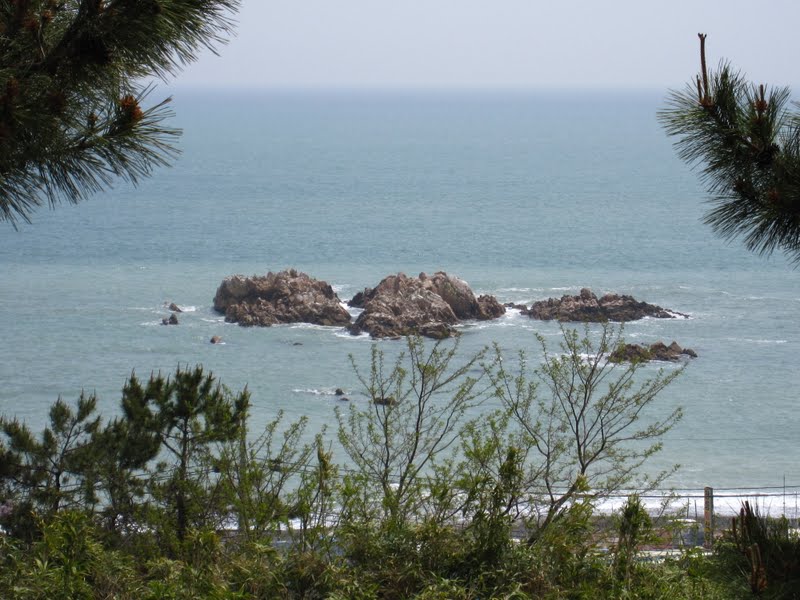
After going back down the hill, we walked a little farther along the beach before coming to the conclusion that yes, we’d seen the tomb…hmmm…not very interesting…but I had fun trying to take decent photos of the waves crashing onto the rocks on the shore…according to the guidebook, this is a pretty popular beach during the summer…right now, not so much…the wind is strong and constant, and it’s not quite warm enough to hang out…after grabbing snacks and such, we waited for the bus going to the other way, and rode back into town…
The plan was to find somewhere close to eat lunch…it felt like we were walking for ages and ages, but it probably wasn’t really all that far…then the walk back to the bus station, where we caught a bus to the tomb of king muhyeol…you don’t get to go in this tomb, but the shape and size are similar to what we’d seen in the tumuli parks…across the street from this tomb is the tomb of his younger brother…after reading that sign, I realized we’d spent the day seeing tombs of one family…king munmu was papa, and king myhyeol was son #1, and the smaller tomb across the street was son #2…
After riding the bus back to town, we split up again…hana and I didn’t go anywhere…on the way back to the hotel we stopped at the information desk, and got the times for the train the next morning…hana and mom were keen to ride the KTX, Korea’s bullet train…at it’s fastest, it goes just under 300kms/hr…I don’t know else what we did, but it wasn’t much…

07 March 2011

you might say i'm obsessed...

this is not the first post i've written about tombs in seoul...and it probably won't be the last...as one korean friend (a classmate from primary school!) noted recently, i've probably seen more tombs than most koreans...when i tell koreans which tombs i've seen, they're usually quite surprised, if they even know what i'm talking about...i love the tomb areas because they're peaceful, and i can learn a bit of history...
there is a map of all the tombs in one of the brochures i got at an earlier tomb, and until i saw that map, i had no idea how many tombs there are in seoul and around...TONS!!...something like 42 different tombs, when each complex is added up...i've had fun crossing them off as i get to each one...(yes, i know, i'm a geek)...some of them are closed to the public, so i'll never get to all of them...
anywho, this sunday i again had the best of intentions in terms of what time i wanted to leave my apartment...buuuuut, again, that didn't happen...what is it that makes it so hard for me to get out before noon? i'm awake long before then, and ready to go long before then, but it still doesn't happen...
this time i picked two tomb areas, both in seoul...at least, that's what i thought...i thought they looked to be relatively close to each other...not surprisingly, i was wrong...oops...i forgot that the subway lines definitely don't go straight, and that buses don't usually come as regularly as subway trains...
my first complex had two tombs...to get there i was supposed to get to a certain exit of a certain subway station, then look for three different buses...but when i got to that exit, none of those buses came to that stop...at all...argh...you'd think the information would be correct, but i have now been to at least three tombs where the bus numbers have been incorrect...is it really that hard? anywho, i started my korean reading again (slow as, but hey, i'm trying) and figured out a bus that would take me where i wanted to go...the bus ride was longer than i expected, and into an area of the city that isn't so commercial...fortunately, the route map and the announcements matched up, as well as the signs on the street, so it was easy to figure out where/when to get off the bus...then all i had to do was follow the street signs to get to the actual complex...thankfully there was a bridge to cross the street, as it was a highway...a few hundred meters down the road i passed the tomb keepers house (not in the actual complex itself, unlike other tomb keepers houses i've seen)...i haven't yet gone into one of these houses, i'm not sure if i'm supposed to...heck, i don't even know if anyone lives in these houses, or just if someone used to...
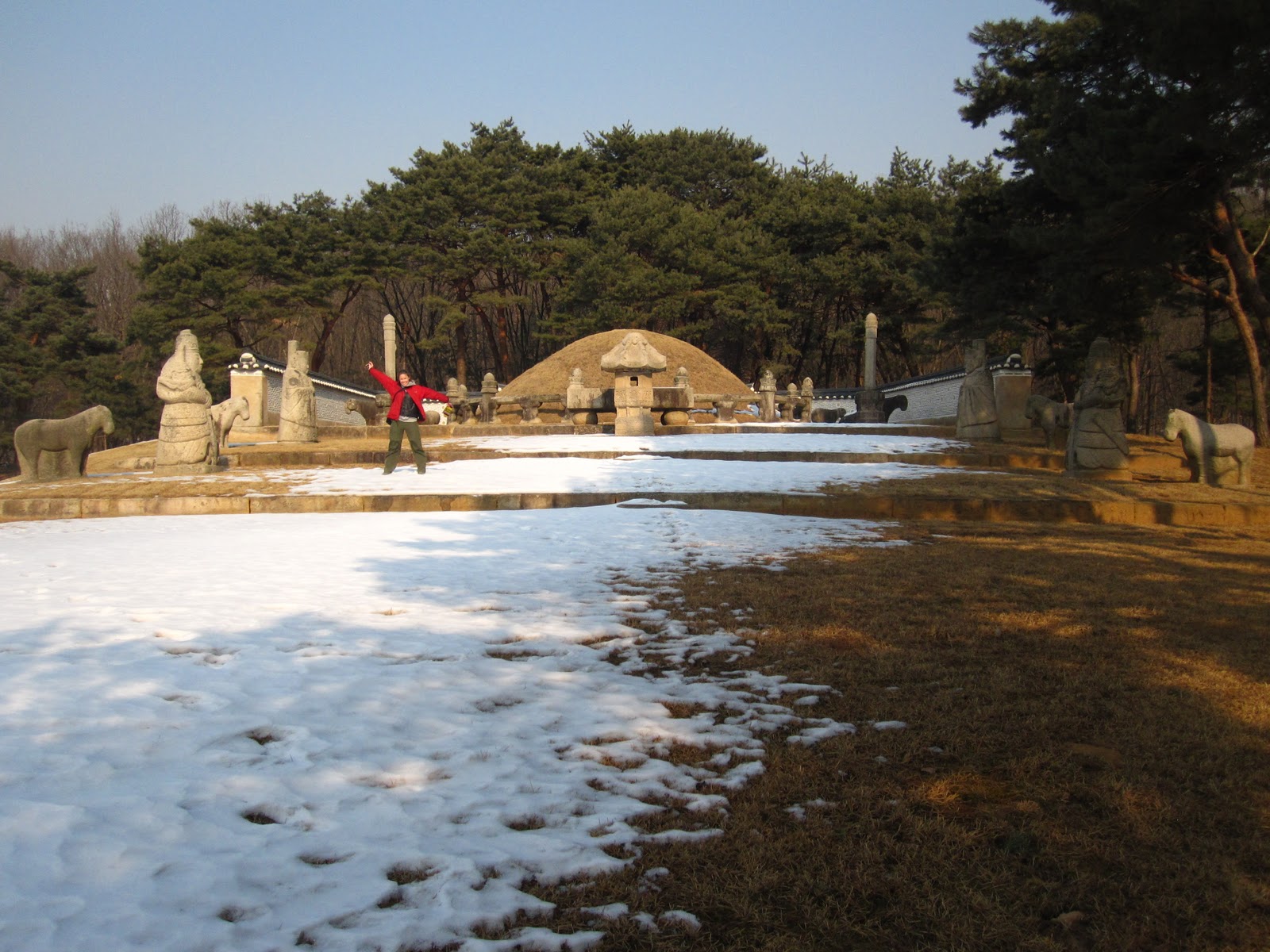
my first tomb complex of the day was called hoeilleung...two tombs...heolleung and illeung...and i love this area...the ticket guys were nice, to start with...as i walked through the gate to illeung, i noticed a little girl and her grandmother...holding hands, walking around, the grandmother appearing to teach the little girl...(at least, that's what it looked like to me)...it was just cute...on the right  side of the hill i saw a staircase...yahoooo!!! it was obvious that you're supposed to walk up those stairs to get close to the tomb area up at the top of the hill...this was the first time i'd seen such stairs, normally it doesn't seem like you're supposed to go anywhere near the top of the hill, nowhere near the actual tomb itself...at the top of the staircase is a wider, boardwalk sort of area...again, it's obvious you're supposed to stay there and look at the tomb...i was happy to be close enough to the tomb that my camera could zoom and get a good photo of the soldiers and ministers and animals in front of the tomb...the wall around the tomb is obviously in great shape...the trees behind the tomb were actually a bit behind the tomb, not right up on the wall...seeing that made me happy, as i realized i could get a photo from behind the tomb, which is a viewpoint i like just as much as right in front of the tomb...there was no obvious exit from the viewing platform on which i was standing, but i knew i could step over the little ropes...hee hee...
as i turned around to get closer to the ropes and go over them, i heard a little voice...it was the little girl, offering me a cracker!! how cute is that?!?! i knew the grandmother had told her to do so, but the fact that she did was really impressive...she wasn't afraid of me!! kids cry or turn away from me all the time, partly because i'm big, and partly because i look different from anything i know...anywho, i was happy to take a cracker...in my really broken korean, i asked her if she liked crackers, and she said she did...i was pretty excited that she understood me, and didn't just look at me like i was a freak...(come to think of it, kids often understand me, even though i know i'm not using proper grammar, it's the adults who don't have a clue)...the grandmother wanted to take a picture of the two of us together, and i was happy to do so...of course i asked her to take one with my camera as well...obviously, she isn't exactly smiling, but she is making that V symbol so many asians make in pictures...i wonder what that's all about...when the teachers at school tell the kids to make that symbol, they say "vwee"...(the korean language doesn't actually have a V sound, they only have a B sound)...after the photos she offered me another cracker (of her own volition this time i think:) then she and grandma said goodbye and started walking back down the stairs...
i let them get halfway down before stepping over the ropes...hee hee...i could tell i wasn't the first to do so, the grass was matted down, and i could see a few footprints...i stayed in the trees, and walked behind the tomb...some of the trees had even been cut down, it didn't feel nearly as foresty...the place i ended up standing to take my photo was actually the remaining stump:)...the view from the stump was perfect...i could see everything, and it was high enough up that the different parts of the tomb didn't block each other out in the photo...(i can't believe i thought about that, and actually wrote it!)...i couldn't figure out if it was "forbidden" to be back there, but i didn't want to push it...by the time i got back down to the viewing platform area there were a bunch of young guys (i'm thinking upper high school age?) there, who all gave me a funny look...which i pretended to ignore...i don't know if the funny look was because i was clearly not inside the 'boundaries' or because i am a foreigner and i was at a place you don't see a lot of foreigners...i should mention that i've never seen another foreigner - white person, that is - at any of the tombs i've visited, except for when i was with cory)...i calmly walked back over the rope, and down the stairs...
illeung is the tomb of two people...i think it's the first time i've seen two people buried in the same mound...king sunjo and queen sunwon...sunjo ascended to the throne when he was only 11, his grandmother ruled "behind the veil"...he took over direct rule when he was 14...i wouldn't think that old enough to rule a country, but who am i to say...he died in 1834 at the ripe old age of 44 or so...(i could be totally wrong on this)...this tomb was originally in the town of paju, northwest of seoul...it was moved in 1856, and the queen was buried in 1857...
a side note: the soldiers and ministers in front of illeung all look different because they were created by different artists...
while going from illeung to hoelleung, i walked through a wooded area, full of alder trees...apparently the city thinks they're so beautiful that the area was designated an ecological reserve by the city...
hoellung is a double mounded tomb...buried there are king taejong, and queen wongyeong...he was the 5th son of king taejo...he got to be king because he fought with his brothers...while king, he made royal authority stronger by getting rid of privately organized militias, and making ministers report directly to him...(to whom were they reporting before?)...he also moved the capital of the country from gaegyong (i don't know where this is) to hanyang (which is now called seoul)...
there was another set of stairs, this time on the left side...at the top, there was a gate, which was open!! AND, there was a guide sort of guy in the tomb area, talking to three people...i was thrilled to see this, it was obvious i could go in the area and look around...i could get really close to the animals, the people, the tombs themselves...woo hoo!!! i was actually able to walk down the hill back to the red pointed gate, i didn't have to go down the stairs!! i didn't do that, but i saw a korean family doing so...the building that normally has the stele of the person in the tomb had turtle thingies...the door was open, i could walk in there as well...yahoooooo!!
i took a different bus back to the subway station, rode the trains to a different stop, and took another bus...when i started the day i thought the two areas i wanted to visit were somewhat close to each other, this is when i found out they weren't at all close...the bus ride was a LOT longer than i thought...and the announcement for the stop i was expecting wasn't the name that i expected...again, thank goodness for reading street signs...
my second tomb area is called donggureung...as far as tomb complexes go, it's one of the biggest, if not the biggest...9 tombs total...
as i walked toward the entrance, i passed the kids played by the ginormous ice tower...i thought the kids were cute and all, but i was more fascinated by the huge block of ice...i couldn't figure out how it got there, in that particular shape...maybe there is something under the ice that i can't see?
the entry price for donggureung is the same as every other tomb complex, even though this complex is so much bigger...in total there are 17 kings and queens of the joseon dynasty buried here...the tomb complex was built after king taejo died, and was originally called dongoreung, then dongchilleung...when i walked in, i took a picture of the map of the area because there are so many tombs and i wanted to make sure i saw all of them, even though i knew they'd all look generally the same...i am SUCH the geek...i also wanted to make sure i didn't get lost...(i'm always terrified of being lost, even though it doesn't happen easily in the city)...i decided to start on one side, and make my way to the other, which ended up being a really convenient route...
i went first to sungneung, the tomb of king hyeongjong...and his wife, queen myeongseong...according to the brochure, he's the only joseon dynasty ruler not born in korea...he was born while his dad was being held hostage by the manchus in china, as they were invading korea...he made the military stronger, and cleaned up the financial system of korea, which had been screwed up by fighting wars with both china and japan...
the next tomb was hyereung, the burial place of queen danui...she wasn't a queen when she died, she was only crown princess...her husband, king gyeongjong (the 20th monarch of the joseon dynasty) didn't sit on the throne until 1720, she died in 1718...i couldn't tell when she "received" her posthumous title...was it while he was king?
my third tomb in this visit is called gyeongneung...the only triple mounded tomb in all of the joseon dynasty...i was keen to see this one, just cause it's a little different from the others...but as it turned out, i wasn't actually able to see all three mounds from any one vantage point...gutted...i could see each of the side mounds, but not the one in the middle...and there was a very clear set of fences along the bottom of the hill, so it was obvious i couldn't walk up anywhere to get a better view...i tried to see the hill behind, to see if there was a vantage point for a photo, but i saw nothing...argh...anywho...king heongjong succeeded his grandfather to the throne at the wise old age of 8...his grandmother ruled from 'behind the veil' until he was 15...in one of the mounds is his first queen, queen hyohyeon, who died after only 6 years of being queen...the next year he married queen hyojeong, who lived 50 years past her husband...she's the other mound...the tomb was actually created as a tomb for queen hyohyeon in 1843, and her husband was added in 1849...then queen hyojeong was buried there 50 years later...i wonder who decided to bury her there? as a ruler, king heonjong built damns in each province, and published a few books...believe me when i say none of the titles sound very interesting...
the next tomb in the complex was called wolleung...the tomb of king yeongjo (21st monarch of the dynasty) and his second wife, queen jeongsun...he lived a looooong time, and was the longest ruling joseon king...according to the literature, he was fair, and treated all of his subjects well...(i'm pretty sure that even if the truth were the opposite, that's what would be written...in any case, negative things would never be written)...he wasn't the direct heir to the throne, at least that's what i understand...he was the 4th son of his father, and only came to the throne after the death of his half brother, king gyeongjong...considering how many kings died young, it's a good thing there were multiple wives and kids!!
his second wife (queen jeongsun) on the other hand, i would call a modern day gold digger...she was only 15 when she married the king after his first wife died...taking a second wife wasn't at all unusual, in fact i'm sure it was expected...but she was 15 and he was 66!! she only lived to be 60 years old!!...a 50 year age difference is ridiculous, in any society...(maybe that's just me, but i thought i'd put it out there)...not only did she marry the "old" king when she was so young, she was a majour influence in having his heir, crown prince sado killed...(crown prince sado was killed by being locked in a chest full of rice, how awful is that? the chest - or a likeness - is on display at changyeonggung, one of the palaces in seoul)...the next king was king sungjo, who ascended the throne at a young age, so she got to be dowager queen...apparently, she had "excessive" influence...it sounds like modern day historians (well, at least the people who write these brochures) didn't like her much either!
from there i walked to the tomb of queen jangnyeol... i think the pronunciation would be jang-nyeol...she was the second wife of king injo, the 16th king in the dynasty...of the jo family, she married the king in 1638, and became queen immediately...the brochure said she was "chosen" to be queen...who did the choosing, and how did they do so? i'm sure there were a number of families from which "acceptable" daughters could be chosen, i'm curious about the selection process...presumably, that sort of information isn't easily found for foreigners like me, who aren't real historians...i wouldn't know where to look, or who to ask, even if i did read/speak korean at an acceptable level...anywho...the brochure also says she was installed as queen...i wonder what the queen installation ceremony was like? obviously there wasn't nearly as much pomp and circumstance as there would be for a new king, but was there any? were there special costumes to be worn? were there a lot of people involved? she didn't have any kids with the king, which must have been rough...in those days, a measure of a woman's success in life (particularly a queen's success) would've been in producing an heir to the throne...even now, when the korean birth rate is one of the lowest in the whole world (barely over 1) it's still important to have a child...she became dowager queen at age 26 (can you imagine me having already been queen for 6 years?!?!) and lived through four more kings...it must've been a somewhat lonely life, as not many people lived that long back then...it doesn't mention whether she attempted to have any influence in the politics of the dynasty after her husband died...
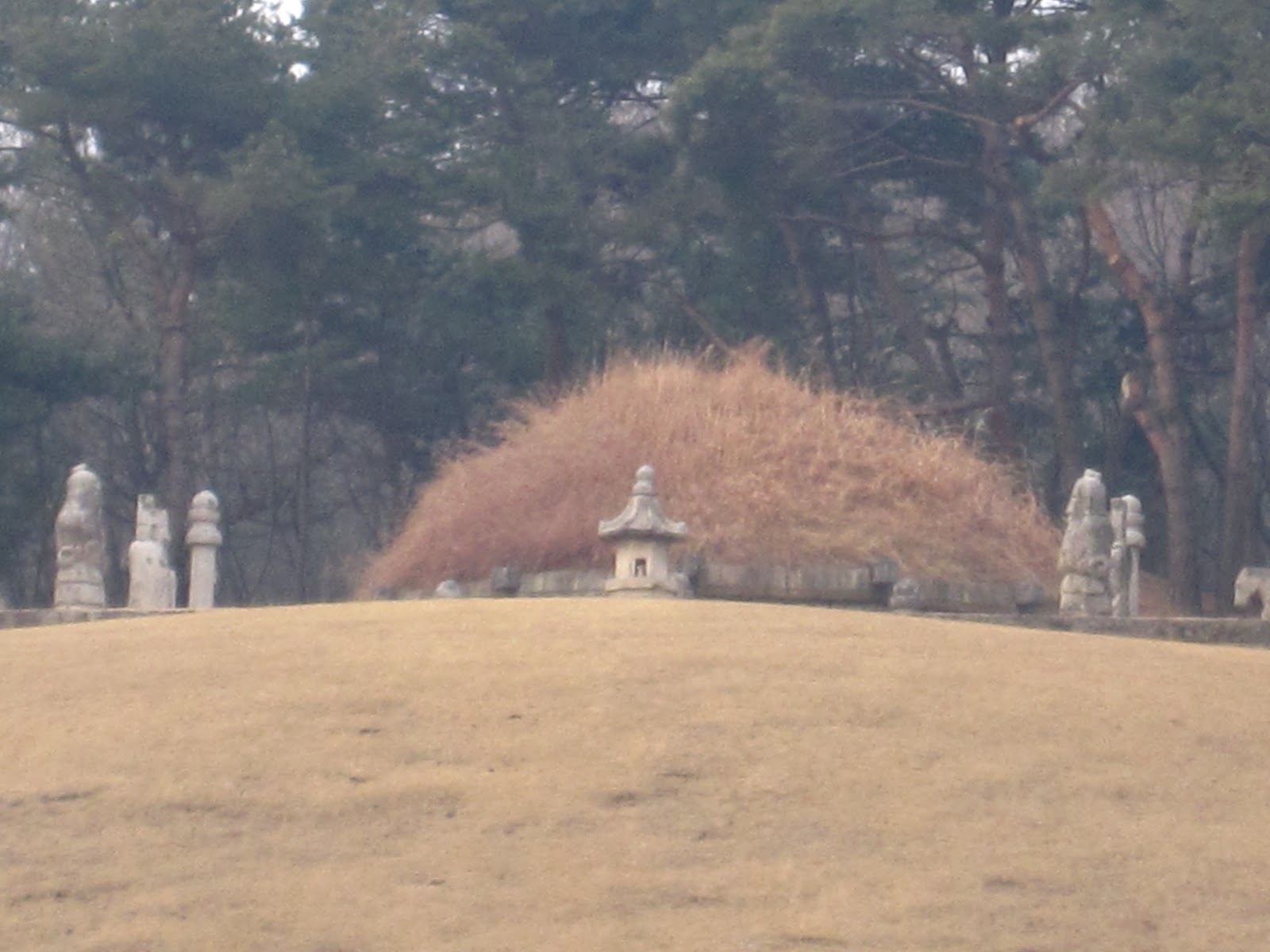
the next tomb on the course was that of king taejo...he's pretty important...REALLY IMPORTANT...he founded the joseon dynasty...he was a general in the previous dynasty, the goryeo dynasty...he founded the new state in what is now kaesong, north korea in 1392...two years later, he relocated to what is now seoul...when he first founded the new dynasty, i don't know what the name was, he didn't give it the joseon name until 1394...he tried to get along with china, and encouraged agriculture...apparently the golden rule lessons didn't click with his sons, as they fought quite a bit...they fought so much he stepped down from the throne in 1398...he returned to his hometown, devoted himself to buddhism, and died in 1408...the grass on top of his tomb is said to come from his hometown, which apparently he missed very much when he wasn't there...pampas grass...it's the only joseon tomb to have such a covering...there are fences at the bottom of the hill to his tomb, so i couldn't get up close for a good photo...my zoom worked well enough, i suppose...when i first walked to this tomb i thought it hadn't been well taken care of, and just looked sloppy...at first i didn't know it was a special type of grass on top of the mound!
since i was being rushed out of donggureung by that point, i rushed through the last couple tomb areas...the first was hyeolleung, the tombs of king munjong and queen hyeondeok...two tombs, on two separate hills, with only one gate and one shrine...i liked the way it is set up...king munjong was crown prince for 29 years before sitting on the throne...during those years he focused on his academics (i guess the korean tradition of education started a looooooooong time ago:) and learned about politics...go figure, after all that studying, he only got to be king for a couple years, before dying of poor health...his queen definitely didn't start out that way...she entered the court as a court lady, then became a royal concubine...she married the crown prince, gave birth to an heir, and died a couple days later...she was posthumously given the title of queen when her husband was crowned...
from there i skimmed by sureung...the tomb of king munjo and queen sinjeong...they're buried in the same mound...i still wonder who decides this stuff...according to the brochure, he was never actually king, though he acted as regent? i don't think i understand what that means...the brochure says he surrounded himself with men of talent and sought to exercise politics for the good of the people...he died at only 22...he received his king title when his son was crowned, and later promoted to emperor...i guess there is life after death...queen sinjeong received the title of queen dowager at the same time as her dead husband got his king title...only she was still alive...she was involved in the politics of the dynasty until her death at age 83...
the only tombs i didn't see were in a set of three...not a triple mounder, as i tried to see earlier, but three hills with one gate, one shrine...called mongguneung...i think...as i was taking pictures of king taejo's tomb, i could tell that it was getting close to closing time, and the employee who came out of the woods at that point told me so as well...he wanted to chat too, which was fun...we talked about where i'm from, how old i am (he said 28!!:) and where he's been in the states...he said i should come back to donggureung in the future, and bring a friend...i laughed...as the conversation was ending, he asked when i was coming back...i guess he meant it...hee hee...even though i missed one set of tombs, i'm not likely to go back...there are enough other tombs and other stuff in seoul i still haven't seen...

01 March 2011

another tomb and temple day

 another day of attempting to see the tombs and temples of seoul, and not having everything work out the way i want it to...fortunately, there are so many different places to go that this isn't an issue...for this day, i'd figured out stuff to see in the northwest area of seoul...actually, i think all of these are technically out of seoul boundaries, but i don't know for sure...
i first wanted to see a set of tombs called seosamneung...three tombs all with different names...(so how did the three tombs end up with the other name to describe them? does the name seosamneung mean something in korean?)...huireung, hyoreung, and yereung are the names of the tombs in this complex...i rode the subway out to samsong (which sounds really similar to samseong, another subway stop on the other side of seoul) then waited for a little while for a yellow bus (i'd never ridden a yellow bus before)...the bus came to the subway stop, i got on, the bus driver turned the bus off, and got off for a break...i took out my book and started reading, knowing that he'd eventually get back on...and he did...i don't know how long i read, but that didn't really matter...i thought the bus ride would be 15 minutes, but it was more like 5...again, thank goodness for being able to read and understand the basic bus announcements...i hopped off the bus, and started walking in the direction the sign pointed...it was supposed to be 600m down the road...
less than 200m later, i saw a guard shack of sorts, and a gate across the road...someone came out of the shack and said something...i don't know exactly what, but i'm guessing it was along the lines of "where are you going?"...i said the name seosamneung, and he said it was closed...gutted!! i was gutted!! making my way all the way out there to find it was closed...ugh...the web page had said one area of seosamneung was closed, but that some of the tombs were open...apparently i read that wrong, or misunderstood what had been written...argh argh argh...
fortunately, i simply waited for the bus to come back, got back to the subway station, went two stops, and got on another bus...this time i was on my way to paju samneung...the web page had listed quite a few buses that would take me where i wanted to go, but i didn't see nearly that many listed at the bus stop...i did see a couple numbers, so i read the routes, and they did seem to indicate that i'd get to where i wanted to go...i can read korean, but not quickly, so i tend to stand in front of the bus routes and read for a lot longer than any korean would...they probably get annoyed or laugh at me for taking so long to figure things out...anywho...relatively quickly a bus came along that had the right number, so i hopped on...it was a bit crowded, but i was able to stand near the front, right in front of the more detailed route...every single stop was listed...since it was on the bus, there was no "you are here" sort of arrow, which meant i had to figure out which stop was the one at which i had boarded the bus...
that took a lot longer than i'd like to admit...usually subway station stops are marked a little more brightly, or with a different colour, but that wasn't the case this time...oh well...i figured out (finally) where i'd boarded, then figured out which direction i needed to look by reading the names of a coupe stops, then went back to the route map and started reading some more...this route map had english translations, but i figured out that they weren't very helpful...sometimes the translation didn't bear much resemblance to the korean name, which was awful...i quickly realized the name i was looking for wasn't correct in english...
so i went back to my slow korean reading...and found the stop i was looking for...the bus announcements would say the upcoming stop, and the stop that would come after that...which was handy, when in combo with my reading skills...basically that gave me two warnings when my stop was coming...the web page said i should get off the bus at "gongneung"...(not to be confused with gangneung, which is where i had attempted to go the day before)...the english on the bus route said "gongdong"...the hangeul (korean) said "gongreung"...the announcement said "paju samneung"...you'd think they'd get it all together...i was glad i had read that the name of the tomb complex area was paju samneung...(again with the naming of a complex area, in addition to each tomb inside the tomb area)...i was listening really carefully, knowing that my stop was about to come up, so i was ready to get off the bus at the right time...there was a sign on the highway pointing, so i followed...it was about a 10 minute walk...absolutely nothing of note along the way...nothing...then i came to a small sign pointing to a parking lot and it mentioned that i was entering an area of the royal tombs of the joseon dynasty...another sign, in the parking lot, was similar to the UNESCO world heritage sign i'd seen previously at other tomb sights...i think they all say the same thing...
i suppose i could take a picture of one of them, but they're not very interesting...there was an information board, with a translation in english...love it!...and a picture, not that it's ever very hard to figure out where to go...the entry fee was 1000won, which is less than a dollar...there can't be many UNESCO world heritage sights that are so cheap...the lady who sold me the ticket also handed out an english information brochure...there were korean brochures sitting out, but i'm guessing they don't get a whole lot of english speakers at this particular tomb complex...anywho...i walked down the pathway, which wasn't at all sealed, it was more like a sand covered trail...i'm guessing it wouldn't be pleasant to walk along there just after majour snow or rain...
i chose first to see gongneung, the tomb of queen jangsun...one web site says she was the lawful wife of the 8th king yejong, the other says she was a consort to the king...so i don't really know...her father was han myeonghoe, who was the prime minister under king sejo...after the first son of king sejo died, and yejong ascended the throne, han myeonghoe made her crown princess...(i don't know how he got to do it, but that's what i read)...basically, he had the political power, and he wanted her in the monarchy...
she ended up dying not too long after, from complications of birthing prince inseong...she was only 17...she was only crown princess when she died, her queen title was posthumous...king sejo is said to have thought she was beautiful, and very nice and was thrilled when she was installed as crown princess...her husband died not too long after she did, he only served as king for a few years...
there was no fence blocking me from walking up the hill, so this time i opted to walk straight up the hill from behind the big building...it was a steep hill, and i didn't get that close to the tomb, but i did get to take a photo...(it's the second photo of this entry)...the whole time i stood there i was worried i'd set off another motion detector siren...and this time there was another family there at the same time...hee hee...howeva, as i came back down the hill, i noticed the father climbing up one side of the hill, so i know i'm not alone in wanting to get closer...i think if there were hoards of tourists, the korean government would make a sturdier barrier preventing people from getting too close, but for now, the CCTV cameras and such serve as a good enough deterrent to keep people from getting too close and destroying the monuments...
my next tomb was called sulleung...the tomb of queen gonghye...she was the wife of king seongjong...it's rather confusing, but i'll try to explain...she was the younger sister of queen jangsun...(needless to say, i'm sure pa was thrilled to have two daughters end up as queens!)...the tomb actually faces her sister, though i didn't figure that out until i read it...this tomb is fancier (notice the photo with the drawings of the different animals and such in front of the tomb) because she was actually queen when she died, as opposed to her sister...she was younger by about ten years...pa had a total of at least four daughters, i wonder what happened to the two oldest...
yejong died, not long after his wife...at the time, they'd already had kids, but the 15 year old was "sickly" and the 3 year old was, well, 3 years old...so the heir ended up being the son of king deokjong, king seongjong...(i had to write down a family tree in order for this to make sense to me because the description was more than a little confusing)...this was the only time in korean history when two sisters became queen...
the third tomb was the only double tomb in the complex...it's the tomb of king jinjong and his queen hyosun...jinjong was the oldest son of king yeongjo, and though he became crown prince at age 7, he died before his 15th birthday...his wife lived until she was 37, childless...(on a side note, king yeongjo killed his second son, crown prince sado, by locking him in a rice chest)...
moving on...as i was waiting for the bus to this set of tombs at the subway station, i noticed that another bus went to a temple i had wanted to see previously...so when i came back to the station, i switched buses...i asked the bus driver just in case, and listened to the announcements...when the bus got to the stop, he remembered i wanted to go there, and let me know this was the right stop...(sometimes i really love seoul bus drivers!)...
the road leading to the entrance of the temple, wasn't exactly clear...(or maybe that was just me, since i tend to overanalyze such things)...in fact, the beginning of it was blocked off, but since i could see plenty of others on the road, i figured out it was blocked off to vehicular traffic only...but walking down the street only got me to a T-intersection, and no sign telling me where to go...so i guessed...fortunately, i guessed the correct way...and that road led me to another T-intersection...howeva, at that intersection it was obvious where i needed to go...
since i tend to freak out about such things, i asked a vendor just in case...he laughed at me, and said i needed to walk about 300m farther down the road...(i asked in my ridiculously basic korean, but he understood me just fine)...as i walked, i passed plenty of people coming out of the national park (bukhansan national park) after a day of hiking...all decked out in the latest greatest hiking gear, which always makes me laugh...
the entrance gate to the temple was in the middle of the road, just like the one i'd seen the day before at hwagyesa...it's as if the gates have been built, then they stay as they are and life just continues around them...i'm guessing there is some sort of templestay program here as well, because i could see buildings that clearly weren't part of the temple itself, but were still part of the temple complex, if that makes any sense at all...there were also information/direction signs that were stowed away but could easily be put out when needed...
according to the web site, jingwansa (jin-gwan-sa) is one of four majour temples around seoul...i have neither seen nor heard of the others, and i hadn't heard of this one until i looked up temples to see in seoul...but that doesn't mean anything, since i'm a foreigner...
jingwansa has been around for a long time...at least, the idea of it has...it was originally dedicated to jingwan in 1010, during the goryeo dynasty...(that dynasty was before the joseon dynasty, for you folks not up to date on your korean history)...during the reign of sejong (the big mighty korean king who also invented the korean alphabet...sejong is definitely regarded as one of the greatest ever korean kings...i always wonder what he actually did himself, and what was created by his underlings and he was then given credit for) a library was created for confucian scholars...he wanted the scholars to visit from all over the country/world...since the internet was obviously not in operation back then, i wonder how information was transferred over great distances...how did priests and scholars know of libraries such as this one? how did they figure out how to get to different places? how long did they stay? what was the typical daily schedule of a visiting priest/scholar at the library? were there opening hours? where did they stay?
the temple complex is officially made up of a whole bunch of buildings...i could type all their names, but that would take a while...these names don't easily roll off my tongue, which means i'd be flipping back and forth between web pages, and that's just a paid...plus, if you're reading this, you probably don't care about the specific names of each of the buildings in the temple area...most of the buildings have shrines to buddha, and there is one that is designated as the main temple hall...it wasn't that much bigger than the others, and it was closed...at least, that's the way it seemed...and i didn't hear any chanting from inside this time...
over in one corner, i found three smaller buildings, each appeared to be only big enough for one person to "worship" at a time...they still had the shrines and all, but were quite small...as i walked by one of them, a guy inside answered his cell phone!! if you're in a temple, worshipping, aren't you supposed to turn that thing off? strange...anywho...the smallest building was ridiculously tiny...almost the size of a backyard storage shed...i think it was built to honour someone referred to as the "hermit sage"...i guess it makes sense that it was small, and gave the feeling of isolation...i guess a hermit is pretty isolated...there are signs in this back corner that describe each of the buildings, down to the little details that are supposed to make them different and unique, but this small building was the only one that really sounded like anything unusual to me...the descriptions talked about different elements of the buddha paintings and statues, but since i'm not buddhist, nor have i ever really studied such things, the details don't much matter to me...
walking around the temple area was nice...all the buildings were around a central open space, which is probably used for big ceremonies...(every temple in seoul has a day when official ceremonies take place, i've never seen one of the ceremonies, but i've seen plenty of photos...since the ceremonies are not in english, i don't know if i'd get anything out of them, even if i did know when they take place...
as i was getting ready to leave, i notice a nun getting ready to ring the big bell...i'd never seen that before...each temple i've visited has had a huge bell, with the big thing that rings it, but i didn't think the bells were actually used...i guess they are after all!! it's a deep, loud, simple sound that goes on for a while...i heard her hit/ring the bell three times...if i remember correctly, it was about 6pm (1800) so maybe she was indicating dinner, or meditation time...i wasn't the only one who stood still while she rang the bell, everyone else i could see stopped moving as well...how many times a day does that bell get rung? and is it always the same person who rings it?
as i walked back out of the temple area of jingwansa, and back down the road past the temple gate, i noticed a couple signs saying bongeunsa...both in hangeul and english...i could see the symbol for temple as well...(the symbol for temple is often confused as the nazi swastika...the temple symbol has been around for a LOT longer)...the signs said it was only 300m down an unsealed road, so i followed...i went up and down a set of small hills, and found the temple...which was in a state of total disarray...(sp?)...i could see an outdoor shrine to buddha (with his favourite tiger keeping him company, and a bunch of candles) and another of those turtle-y things i've mentioned in an earlier post...plus, what looked to be a temple, or at least an old building that had once been a temple...it was in bad shape, and there were things piled up on a back porch of sorts...it looked like a building that had once been something, but wasn't used for it's original purpose anymore...i found the sliding doors on the side, and when i pushed, they opened...a shrine was still in there, and it looked like the inside of any other temple i've seen in korea...it smelled like paint thinner though...or cleaning agents...in one corner was a bell with a big hammer...in another corner was a small case of small buddhas...totally quiet of course...i loved it, and sat for a little while...there was a house near this, but that seemed totally empty as well, so i don't know if it was lived in, or not...or even if it was a house...the whole area felt abandoned, even though some of the candles in the outdoor buddha shrine were lit...hmmm, a temple mystery!!
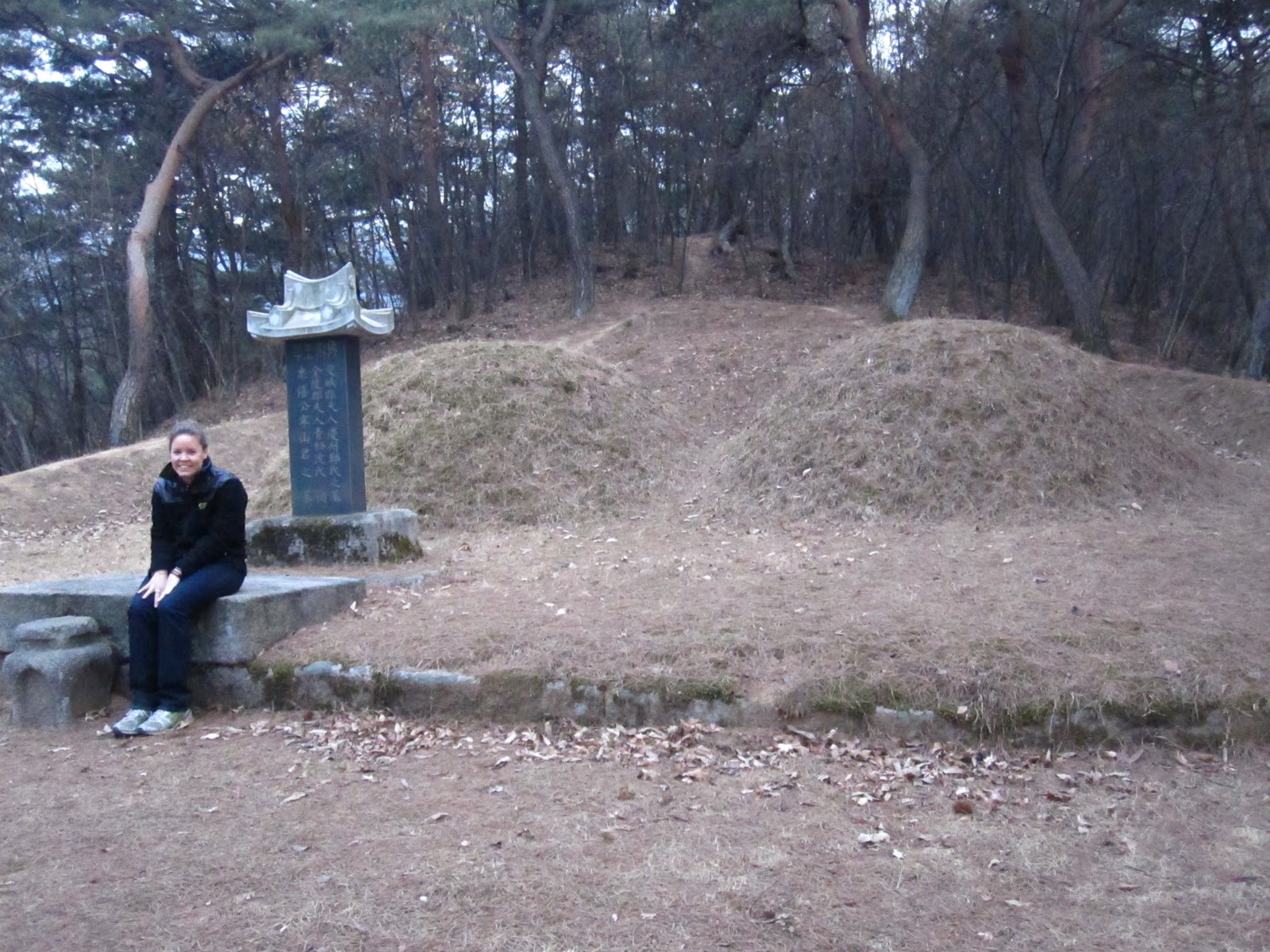
as i walked back down the road to get back to the bus stop, i looked slightly up, and saw some tombs (the lumps are easy to spot) as well as a turtle-y thing...to most people that wouldn't mean anything...but i also noticed that there was no fence stopping me from getting close...woo hoo!! it didn't really seem to be an actual sight, but that sort of thing never stops me...i climbed up, and whaddya know, there was a handy dandy sign there to tell me exactly what i was seeing...yay!! it was a sight after all, just not mentioned in any guidebook, or on the web at all...the sign said it was the graveyard of prince yeongsan...he's buried there with both of his wives, lady sim and lady jeong...(were they married at the same time?)...it doesn't say whether the wives knew each other, or how long they were each married, or who was first, second, etc...previous signs i've seen have said how old people were when they died, and how many heirs they had (or didn't have,) but this one didn't mention such things...
the original tombstone of the prince is missing, but i think the other tombstones in the graveyard are original...the prince was the 13th son (did his father really have 13 sons? or is it meant to say 13th child? cause even with several wives, that's a lot of kids!!) of his father...
this prince and one of his brothers were in involved in political intrigue, not surprisingly...they supported a palace coup to overthrow one of their brothers (i think that's who it was) and install king jungjong on the throne...but later, a palace servant confessed to the king (jungjong i think?) that another coup was being planned, (to put yeongsan himself on the throne) at which time yeongsan was sent into exile...all the way to hwanghae-do, which is now in north korea...i guess they figured that was far enough away that he couldn't do anything more...so how did he end up buried here? he was granted a pardon by the very king he planned to overthrow...
i loved this tomb area just because i was able to get up close and personal to the different tombs, and the different markers...awesome...i wonder why there isn't a listing for the tomb anywhere, though there is a proper informational sign there, which means someone knows about it!
from the tombs, i went home, bought strawberries, baby spinach and feta cheese, and had a lovely salad for dinner...exciting end to a day of wandering and exploring:)

26 February 2011

taking a day off

 one part of the contract i have with my school says that i have three sick days to take during the year...it also says that if i want to, i can take those sick days as personal days on fridays if i clear it ahead of time...since the end of my contract is right around the corner, i wanted to use my last friday as a personal day...fridays at my school are special days, meaning we don't have normal class...it's always a birthday party (1x a month,) a field trip (2x a month,) or theme day (usually the last friday of the month)...this friday was a field trip, so i wasn't missing anything at all...(since i don't have a specific class of kids - i teach all the kids in the school - there isn't a group that has to be covered if i'm gone)...
i woke up to a beautiful sunny day...blue skies (above the smog that is)...chilly, but pretty much my idea of perfect...after spending way too much time online, i ventured out...first to pay bills (i love the way i can pay bills through a machine in my bank) and then to get cash...then on to the subway...i'd figured out one temple and two tombs i wanted to see...
45 minutes later, i was off the subway, and found what i thought was the right bus stop...according to the map in the subway, i needed this specific exit to catch the bus that would take me closest to the temple...the papers i had printed from the web said i needed a different bus stop, but those papers had been wrong at other times, so i wasn't very trusting...anywho, i hopped on the right bus, only to get the feeling that it wasn't going in the right direction...because i tend to get freaked out about those things, i got off, and backtracked a ways...luckily, the paper for this particular temple had a small map showing me where i needed to go...straight down a street that is called hwagyesa-ro...which means hwagye temple street...how convenient!! i did see the bus as i walked, but i wasn't able to tell where it was coming from...i also saw it on the other side of the street...i never did figure out if i should've stayed on the bus or not...either way, it wouldn't have taken me all the way to the temple, though i would've been able to get off at the right stop, as i knew the name in english and korean...since the weather was fantastic, i didn't mind the walk...and i like walking, so that made it even better...i walked past lots of little restaurants where i could get food if i got hungry, and made note of those...(i like to eat; me figuring out places to get food should come as no secret)...

 eventually i came to a gate...once you've seen one of these temple gates in korea, you've seen them all...koreans would probably say differently, but to me, they all look the same...and i've seen plenty...i like going to see temples, even if they do look the same...hee hee...right around the temple gate a lot of construction is going on...a new set of apartments, fixing up other stuff, etc...it wasn't a quiet area...pretty soon i came to the turtle looking thing at the top of this entry...i think they mark a particular person? again, i've seen tons of them, and they all look the same, though presumably if i could read the chinese characters, i wouldn't think so...
 just after the turtle marker, there was a trail, with a small map indicating what i could see along the trail...it showed another temple...woo hoo...i decided to go see the temple i'd come for, and consider the other temple on the way back...in korea, maps are always faced in the direction in which you are looking...for me, this is fantastic, but for most people who assume north is at the top of the map, it's confusing...anywho, i continued along the road, and got to the rest of the temple area...a huge building, in which the templestay program looked like it takes place, and a bunch of other smaller buildings...none of them looked particularly open, and everything was in korean...not an english word to be found...which i kinda liked...(again with the "this is korea, there should be lots of korean here" thinking)...i could hear chanting coming from one building, but i didn't see any open doors, and didn't want to interrupt anything...i figured monks/nuns were in there meditating and/or chanting...it was nice to listen to, especially because i was the only person i could see outside...after seeing a couple signs, i could tell that the chanting was coming from the main temple hall...
hwagyesa temple belongs to the jogye order of korean buddhism...(i don't know what, if there are any, other orders of korean buddhism are called)...the description on the web site i use to find things/places to see in seoul says the temple is in the city of seoul, but that it doesn't feel like it's in a city because the surrounding area is so quiet and peaceful...the temple is at the base of a mountain, and all around there is a lot of nature...it actually feels like a functioning temple, unlike some of the really touristy temples...the temple was built in 1522, in the 17th year of the reign of king jungjong in the joseon dynasty...then it was destroyed by fire in 1618...almost 300 years later, funds were raised and the temple rebuilt in 1866...according to the site there is a small spring somewhere in the temple grounds, but i never did find it...
in front of the building on the far left you can see two of the korean version of a "wishing well"...you can find them in pretty much every korean temple complex, but i liked these because the papers are tied in a bow, which is different from anything i've seen previously...usually i see cards with stuff written on them...i was tempted to unroll one of these bows, but that's obviously wrong...lol...i also wanted to write a wish of my own, but didn't see any paper or pencils anywhere in order to do so...i wonder how long the papers remain on the wishing well, and if there is a monk/nun who is specifically tasked to take care of the wishing wells...i suppose pretty much every area of the temple is taken care of by someone who lives there...
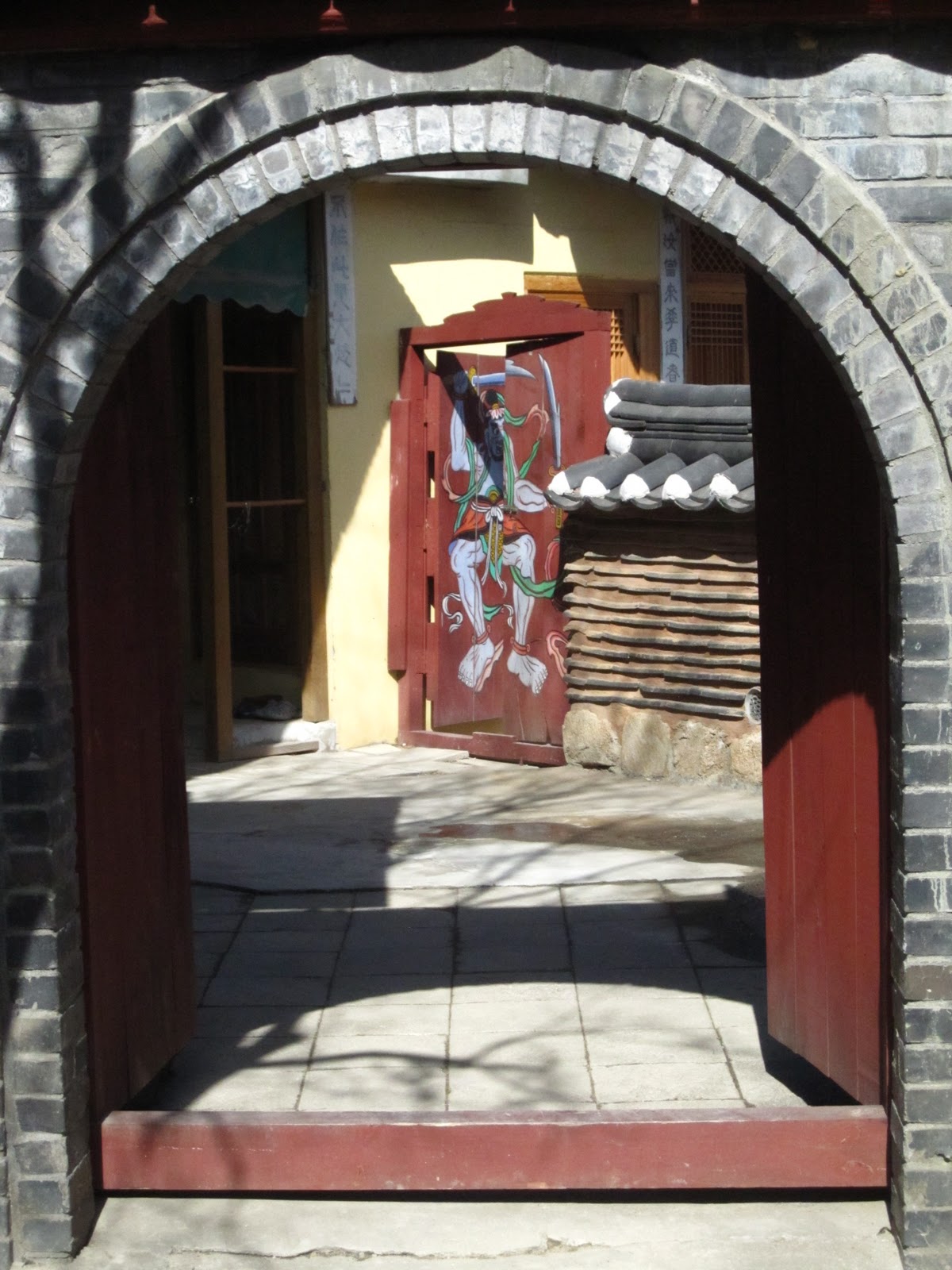
one aspect of this temple that i really liked was the feeling that it's a real temple, that monks/nuns live here, and that it's not just to be seen by tourists...i could see a building in which i presume they live...i wonder what their individual living quarters are like...off to the side of the living quarters was this area for kimchi pots...were they actually full of kimchi? i don't know...traditionally kimchi is put together, put in these pots, and buried underground for a length of time...howeva, most of the time these days people make the kimchi so that it's ready to eat as soon as it's done...
obviously these pots aren't underground, but it's nice to think that the monks and nuns are still living the more traditional way of life...i could see a couple areas where things were planted as well...i loved the simplicity of it all...i wonder who takes care of all the food for the monks/nuns...do they eat together? what time do they eat each day? how do they know when it's time to do various things in temple life? is a bell rung? do they wear watches? what time do they get up each morning? what time do they go to bed? i remember my schedule from my meditation retreat, but that was in thailand, geared specifically for foreigners...is a typical temple day at all similar here?
notice the small bell...is it ever rung? these three items were next to what i assume are the living quarters of those residing at the temple...is it only monks and nuns who live at a temple? or are there secular folks as well? does anyone ever pay attention to this little buddha? he's only a foot tall, give or take...(that's 30cm for anyone who is not american)...i didn't walk around this entire building, so i don't know if there were similar things on the other side of it...this building definitely looked like a home...
the size of the templestay building was at least twice the size of any of the other buildings in the complex...i could see what i thought was an office, or welcome room for anyone who does a templestay, but i don't know what else was in there...just outside the temple complex was this set of gravestones...i don't think real people are buried underneath this spot (it's cement) but i could be totally wrong...i didn't see any signs that could tell me who is here, or why they get special markers...and why are some of the markers smaller than others? i know i ask a lot of questions, but these sorts of things are never explained, not even at the more touristy temples...just outside the main temple complex area was a huge international zen center...it looked like a building in which a big group of people could stay for a while...like a college dormitory, something along those lines...these smaller markers were along the street, just behind the zen center...

as i kept walking back toward the original temple gate, i saw these big markers...again, there were no signs to tell me what i was looking at, and it wasn't easy to get close to them...obviously, they're bigger, and with the way asian (and let's face it, western) society often works, that means someone, or some idea that's more important...these look more like memorials to me, rather than grave markers, but i don't know if that's true...somehow, i don't think anyone is ever going to write up a sign in korean or english (or any other language, for that matter) that says what all these markers are for, specifically...my guess is that koreans already know...maybe they learn in school, or maybe there is temple literature somewhere that says who is buried where, and why they get big markers, or any markers at all...i don't even know who i would ask to find out, even if i did speak korean...after looking around and just enjoying the peacefullness of the whole area, i walked back to the subway station...walking back was a whole lot faster, or at least it seemed that way!! i suppose i could've tried a bus, but i was really enjoying the weather, though most people think i'm crazy for liking to walk as much as i do...
from that subway station i went to another subway, and caught another bus...back in november i interviewed with a private elementary school in this part of seoul, so the bus i caught, and the stop at which i was supposed to get off were familiar...yay!! because i knew where i wanted to get off, i was only listening to the announcements, not trying to read the names on each stop we passed...as it turned out, the bus driver was playing each announcement slightly late...i stood up immediately after he played the announcement for the stop i wanted, but that was after we'd passed the stop on the road already...anywho...
the bus driver asked me which stop i wanted, and i told him...he realized i'd stood up at the proper time, but we'd already passed the stop, so he pulled the bus over straightaway and let me out in between stops...i walked back to the proper stop, and found the entrance to the tombs i wanted to see...again with the joseon dynasty tombs:)...and just like temples, they all look the same, but i love them anywho...this one was called taereung...again with the questions: how did they come up with the names of the tombs? and when the tomb names change later, why? the signs always say what the tomb is called, but it doesn't say (in english anywho) if the name translates to anything in english...korean names often mean something, which wouldn't be obvious to a non-korean speaker...like other tombs i've seen in seoul, there was a big stone information board that designated this tomb as a UNESCO world heritage sight...
taereung is the tomb of queen munjeong...a very politically ambitious queen...she was the second lawful wife of king jungjong...as far as korean royalty goes, she lived for quite a while, being over 60 when she died...(1501-1565)...
just her luck, the king had had an heir with his first wife...howeva, the queen didn't let that sort of thing get in her way...with the king, she had 5 kids, 1 son and 4 daughters...she killed the first heir (had him killed, i guess) so that her son would be the next king...so king myeongjong ascended the throne at age 12...since he was obviously too young to rule, she acted as regent and did it for him...as the web site says, she ruled from behind the veil...it isn't the first time in history that such a thing has happened, but i think in western cultures there was an official title for the person who ruled behind the child monarch...she made her younger brother part of the administration, basically in name only...while she was in charge, she got rid of a lot of political adversaries, many of whom were scholars...a different web site says something about her wanting to rehabilitate buddhism, i don't know what that means...while she was in charge she wanted to move the tomb of her king, and she wanted to be buried next to him when she died...but this didn't happen...according to the 2nd web page, her son posthumously granted her the name munjeong, so i have no idea what she was called while she was alive...why would he change her name after she died? it's not as if he was granting her a new title, if that makes any sense...
i liked this tomb because i could actually see the tomb itself from the bottom of the hill...(remember an earlier post when i said all these tombs are on top of man made hills?)...i still wanted to get closer, for a better photo, so i walked up the side of the hill, and tried to walk across the hill, just in front of the tomb...but i set off the motion detector siren!! whoops...apparently the CCTV cameras that you see on tall poles at the back of every tomb complex aren't all just for show:)...hee hee...obviously, i didn't get the photo i wanted...i knew i was the only one at the tomb right then, but i didn't know if an alarm bell was going off in an office somewhere...there was a blinking red light as well...after i got back over to the side of the hill, the siren stopped wailing...i dont know if it was really that loud, but it sure seemed that way to me!! i was ridiculously nervous as i walked out of the front gate of the tomb complex, i was terrified i'd get in official trouble...but i didn't...
on the map at the entrance, i could see that there were two tombs...the other one was called gangneung,   and is the tomb of king myeongjong and queen insun...it's a double tomb...to get to gangneung from taereung, i had to go back out on the street, and walk quite a ways...when i got to the entrance gate of gangneung, it was closed...argh argh argh...oh well...i walked to the nearest bus stop, (near the entrance gate of sahmyook university) and started making my way back home...

05 February 2011

haengjusanseong (행주산성) and seooreung (서오릉)

lunar new year, known as seolnal in korea, is a holiday celebrated all over asia...in china it's easily the most important holiday of the year, and lasts a couple weeks...in korea, it's only 3 days...the dates of the holiday are based on the lunar calendar, which means the dates themselves vary quite a bit from year to year...this year the days of the holiday fell on a wednesday/thursday/friday, which is awesome...add the weekend, and it becomes a five day holiday...(obviously, the worst is when the three days fall on a weekend)...this is one of korea's two most important holidays, and the whole country takes time off work...i didn't make any travel plans at all, not even in korea...it did seem a good idea to see something though...
general kwon yul
  i started out by traveling across the city to ilsan, which is technically another city to meet up with a buddy for the day...we hopped on a bus to haengjusanseong, a former fortress, northwest of the city...the fortress was the site of a pretty big battle during the japanese invasion of korea in 1595 (the japanese have invaded korea several times throughout history, this particular time the invasion started in 1592)...when the battle took place, the japanese had already captured seoul...


there isn't much left of this fortress...you can see the earthen "walls" but right now most everything is mud...this set of stairs leads down (where i was standing when i took the photo) to a resting place, (the photo above)...the fortress was built at the top of the hill, one side is along the river which made for a nice natural defensive position...according to the history, the fortress is presumed to have first been built during the baekje kingdom, but "renovations" were made later, of course...

when general kwon led his small army (2300 soldiers) to this fort, his intent was to recapture seoul from the japanese...they (the japanese) hadn't captured this hill yet, 9 attempts were made, from three different directions...over 30,000 japanese were involved in this battle, which makes the korean "victory" pretty impressive...(of course, i can't help but wonder if those numbers are accurate)...more than a third of the japanese soldiers were killed, including their general and two of his lieutenants...

after the battle, the general was promoted to commander in chief...of what, i'm not exactly sure, since the japanese were pretty much in charge of the country at that point...at the time, a memorial was built for the battle at the top of the hill, and a temple to enshrine the tablet of the general...according to the history i've seen, both the temple and the memorial were destroyed during (what americans call) the korean war...the monument was rebuilt during the 1960s...

according to the history i've read, this battle was one of the three most important of the entire invasion...(1592-1598)...i don't know what the other two important battles were, i suppose i should find out...the fortress is supposed to have gotten its current name during the joseon dynasty...apparently the women of the time cut their long skirts in half and wore them like aprons...they used the shortened skirts to collect stones that the soldiers then used to fight during the battle...

this temple/shrine was also rebuilt after the korean war...cory says it's one of his favourite places, partly because not very many people come here...since it was a holiday on the day we went, i have no idea how popular the place normally is among koreans...the grass all around this temple had clearly been shoveled to remove the snow, who knows why...yes, shoveled...who shovels snow off grass?

just outside the entrance area to the fortress is this monument...it's from the korean war, and represents one of the crossings of the river by the american and south korean marines...i'm presuming there was more than one crossing during the course of the war...the monument is two triangles stuck together, according to the sign that's supposed to represent the marines of each country working together...

from haengjusanseong, we took the bus back into ilsan, grabbed lunch, then got on another bus to seooreung...it's a UNESCO world heritage sight (note to self, look up that list and see how many places/sights i've seen, how many are on the list)...it's a complex of tombs from the joseon dynasty...since i love seeing history, cory made the whole day history for me...seooreung means five western tombs...
sugyeongwon
there are a number of different tombs in the complex...the tombs themselves are the round mounds of earth you can see in the middle of the picture above...that tomb is of lady yi, the concubine to yeongjo, the 21st monarch of the joseon dynasty...she gave birth to crown prince sado in 1735, and died in 1764, at the age of 68...since he was the son of a concubine, and crown prince, i'm assuming that the queen of the time didn't have any sons? this tomb was originally in another part of the city, but later moved here...so i don't think the title of this tomb is included in the 5 mentioned in the tomb complex name itself...
for the most part, these tombs are on top of man made hills, which meant that most of the time i didn't have an easy view of the tomb...apparently people go over the fences from time to time to get close to the tombs, something i didn't have the courage to do straightaway...(there is something in me that stops me from going past clearly defined boundaries)...the first tomb wasn't on much of a hill so it was easy to get that photo...

ingneung
all the tombs have these entrance "gates" followed by the temple-ish looking building...this building was empty, so i'm not sure what it's supposed to be...perhaps a place where folks back then could pay respects? usually on the right of that building, at the bottom right of the hill is a little shelter over the tablet of whoeva is buried there...since the korean alphabet (hangeul) hadn't been invented yet, of course the characters on these tablets are chinese characters...(the tablets are bigger than i am)...
ingneung is the tomb of queen ingyeong, the first queen of king sukjong, the 19th monarch of the joseon dynasty...she became crown princess in 1671 (when she was only 10 years old!!) and queen in 1674, when sukjong ascended the throne...she died 6 years later, at the ripe old age of 19, in one of the palaces in the city...the information boards at each tomb didn't say why/how any of these folks died...the history online does though, at least occasionally...the online history i found says she died at the age of 20, of smallpox...she had 3 children, all of whom were daughters, none of whom lived long...

daebinmyo
daebinmyo is the burial place of lady jang...full name = jang, huibin...she became part of palace life at a young age, and found favour with the king...her birthdate is unknown, so they don't know her age, but given that everyone else was young, she probably was too...she became his concubine (apparently there is a title for a royal concubine! sugwon) in 1686, sukjong's 12th year of reign, and the next year gave birth to a baby boy, prince yun...(he was called prince yun only after his father officially recognized him as an heir)...

also in 1687, the current queen was dethroned, (i don't know how that works, but that's beside the point...if she was dethroned, why wasn't the king as well?)...when prince yun became crown prince yun, lady jang was made queen...(queen myeongbong was her official title, i think)...howeva, that didn't last foreva...in 1694, a movement put queen inhyeon back on the throne, so lady jang was demoted back to huibin...not surprisingly, the king had to do something to make himself look in control of everything, so he sentenced her to death, and gave her some poison to carry out the sentence...which she did, in 1701...after her death, the king made a law that made it impossible to elevate a concubine to queen...her tomb was also originally located somewhere else, and moved to it's current place in 1969...this was the first tomb at which i stepped over the fence in order to take a photo...i wasn't the first to do so, there were quite a few footprints in the snow...
changneung
changneung is the tomb of king yejong, the 8th king of the joseon dynasty...it's also the tomb of his second lawful wife (as opposed to the royal concubines, i'm guessing) queen ansun...each got their own hill and tomb, with one gate/building...the little shelter holds the tablets for both of them, with separate doors for each...this tomb is the farthest from the entrance of the entire tomb complex...king yejong was actually the second son of king sejo and queen jeonghui, his older brother died young...


these tombs were the second place i went past a fence...hee hee...i wanted a proper photo, and it's clear that the CCTV cameras are there simply to protect the sights...i don't know if i should so easily admit to going past the boundaries, buuuut...anywho, both tombs in this little area had these sculptures in front of them...i don't know what they all represent, but i'm sure i could find the information online if i cared to look...what was interesting was that one hill/tomb was still covered in snow, while the other side was totally clear...king yejong only served as king for 14 months...apparently he didn't deal well with stress/political upheaval, and there was a lot of it during this era of the joseon dynasty...after he died, his queen was made crown princess...she died over 20 years later...

once cory had convinced me that going past the barriers was something koreans do all the time, the next natural step was sledding down the snowy tomb of changneung...yup, sledding...buuut, since we didn't have sleds, what could we use? our bums of course...this was my first attempt, you can see it didn't work so well...in another attempt, i pulled up my legs, and slid down on the path cory had already created...sooooooo much fun, too bad we didn't go the weekend previously:)

i don't know who his other queen was, nor how long she was queen...since he (king yejong) died so young, there must have been a reason he was only buried near his second queen...i don't know where the first queen was buried...or her name, for that matter...
tomb of king sukjong and queen inhyeon, his second wife
myeongneung is another set of tombs, with a separate entrance across the parking lot...3 people total are buried in this area...king sukjong, his 2nd wife and his 3rd wife...one of them is buried right next to him, and the other on another hill not far away...i don't know why the first wife isn't buried there as well, why she has her own tomb elsewhere in the "park"...his second queen (the one who was taken down for the concubine, then put back on the throne) died in 1701, his third queen was put on the throne in 1702...these guys didn't waste any time!! queen inwon (the third queen) died in 1757, she had a nice long life...


i was fascinated by the way the snow stayed on one side of the tomb...it did the same on the double tomb...and one of the other tombs, changneung...cory thought about sliding down this tomb as well, but decided the snow wasn't good enough...lol...
tomb of king sukjong's third lawful wife
his second queen (the one who was taken down for the concubine, then put back on the throne) died in 1701, his third queen was put on the throne in 1702...these guys didn't waste any time!! queen inwon (the third queen) died in 1757, she had a nice long life...myeongneung is the only tomb that doesn't have a fence around it, i don't know why...
myongneung